A clinical implant dentistry digest for Southeast Asia
Latest digests
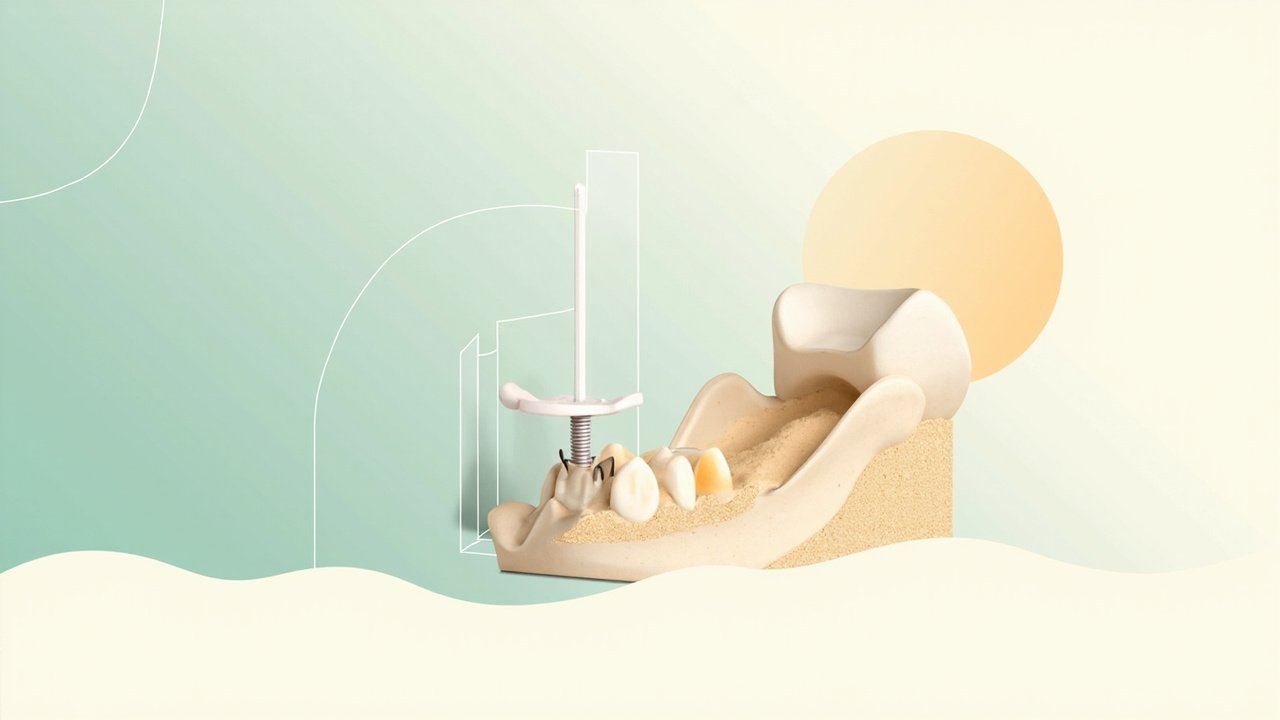
Posterior mandibular bone height after fixed full‑arch dentures: small average gains, big variability — what to watch for
A new meta‑analysis finds a small average increase in posterior mandibular bone height under full‑arch implant‑supported fixed complete dentures, but results are highly variable — here’s how that should shape your planning, loading and follow‑up.
Immediate implants in the aesthetic zone — when a vestibular approach and early loading make sense
Two recent randomized trials suggest a minimally invasive vestibular socket therapy with a pericardium membrane preserves esthetics in Type II sockets, and that immediate provisionalization (within a week) gives similar stability and bone density but less early pain than delayed loading — when you pick the right cases.
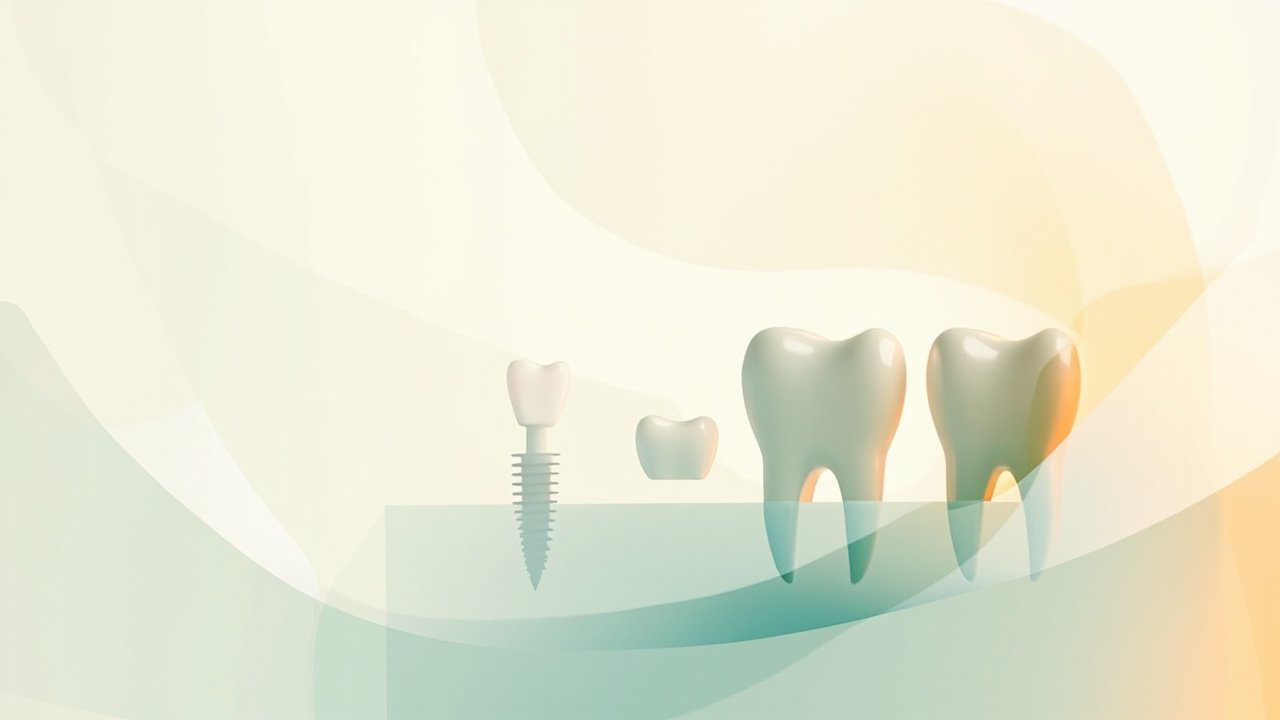
Autotransplantation or immediate implant for non‑restorable posterior teeth? New meta‑analysis says both work — when to choose the tooth
A 2026 systematic review and meta‑analysis found similarly high short‑ to mid‑term success for immediate implants and autotransplanted mature teeth; choice should be individualized to anatomy, donor availability and the restorative plan.

3D‑printed mucocompressive stent with suture‑anchors: a simple way to protect keratinized mucosa grafts in reconstructed jaws
A small prospective proof‑of‑concept shows a customised 3D‑printed stent plus suture‑anchors can hold a free epithelial graft in place, give a large immediate keratinized band and preserve vestibular depth with modest shrinkage at 12 weeks.
Sinus membrane tears during lateral sinus lift: a practical decision tree for the busy clinic
A new narrative review proposes a clear, evidence‑based flowchart for managing Schneiderian membrane perforation and oroantral communications — here’s how to use it in a modestly equipped clinic.
PRF for socket preservation: what the new histology and systematic review mean for your chair
A small randomized trial shows L‑PRF increases early new bone and vascularity in sockets, but recent systematic reviews still call the evidence heterogeneous — use PRF as a low‑cost adjunct, not a universal substitute for grafting in higher‑risk sockets.
Cemented versus implant‑retained prostheses: one‑year RCT and what it means for your chair
A small 1‑year randomized trial found similar implant stability and peri‑implant indices for digitally made 3D‑printed overdentures and cement‑retained milled fixed prostheses — choose retention by maintenance needs, retrievability and your cement protocol, not by fear of early bone loss alone.

Soft‑tissue first: five‑year lessons from a progressive‑thread implant and what baseline thickness tells you about graft choices
A 5‑year single‑center follow‑up shows predictable implant survival but clear links between keratinized mucosa/thickness and bleeding — and a randomized‑trial secondary analysis shows connective tissue grafts give larger absolute gains while thin sites gain proportionally more from any augmentation.
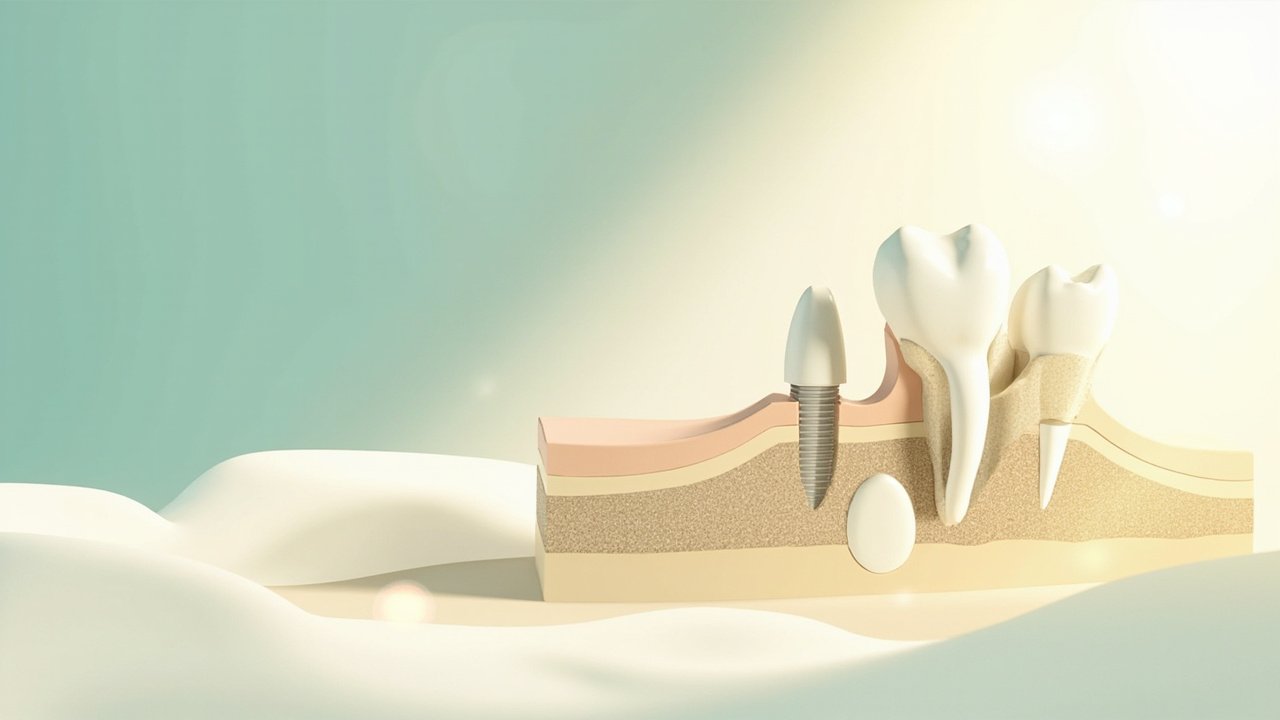
Sticky bone (extended) versus bovine xenograft for anterior horizontal ridge augmentation: what the new randomized trial means for your chair
In a small randomized trial (anterior maxilla, simultaneous implants) extended sticky‑bone gave bigger immediate volume but shrank more — at six months both approaches had similar implant stability and clinical outcomes.
Peri‑implantitis and systemic inflammation: what the new reviews mean for your chairside practice
Peri‑implant inflammation may do more than destroy bone around an implant — evidence shows modest systemic inflammatory signals and underlines prevention, prompt treatment and medical collaboration, though causality is not proven.
Augmented and mixed‑reality navigation for implants: what the new evidence means for your chair
A September 2026 meta‑analysis shows AR/MR navigation can place implants within about 0.9 mm at the platform, 1.2 mm at the apex and 3° angular error in benchtop work — promising but mostly preclinical, so expect larger errors in real patients and follow simple checks to keep your cases safe.
Photobiomodulation for implant surgery: modest gains, clear limitations — what to try in a busy clinic
A 2026 meta‑analysis of randomized trials finds consistent small reductions in pain and modest short‑term improvements in implant stability and early bone density with adjunctive photobiomodulation, but overall certainty is low and protocols vary — here’s what that means for your chair.
Single‑tooth implants increase problems in neighbouring teeth — what to check and when
A large retrospective study shows single implant crowns raise short‑ and long‑term rates of caries, new restorations and tooth loss in adjacent teeth; practical steps can cut that risk and guide follow‑up.
Alveolar ridge preservation: when it will change your implant plan
Socket grafting reliably reduces ridge shrinkage by about 1–1.5 mm but does not eliminate the need for later augmentation — use it selectively where that millimetre matters (posterior maxilla, narrow ridges, patients unlikely to accept later grafting).
Two‑color overlay: a quick chairside method to get implant single‑crown occlusion right (and reduce mechanical trouble)
A simple two‑color articulating overlay helps you see how a new implant crown changes contacts compared with the pre‑extraction baseline — adjust the crown, not the neighbouring teeth — and this matters because poor implant contacts are a common pathway to screw loosening, especially with all‑ceramic restorations.
Do you need to graft a jumping gap >2 mm? Practical takeaways from a randomized trial of injectable β‑TCP
In a 16‑patient randomized trial, filling jumping gaps larger than 2 mm with injectable β‑tricalcium phosphate did not change implant stability at 6 months, though CBCT radiodensity was higher in grafted sites — interpret cautiously and choose grafting selectively at the chair.
How much misfit actually matters — and how to avoid it in full‑arch cases
A new systematic review shows weak clinical links between misfit and bone loss but a signal for screw complications; recent in‑vitro work shows reverse scanbody and laboratory‑scan workflows give the best chance of a truly passive full‑arch fit.
Antiresorptive drugs and dental implants: practical steps for the busy clinic
A new Periodontology 2000 review reminds us that antiresorptive drugs change the biology around implants — the message to the chair: screen, stratify, control inflammation early, and plan maintenance with the patient and prescriber.

Biomarker‑guided risk scoring for peri‑implantitis: a practical take for the busy clinic
A retrospective long‑term study shows a biomarker‑guided score identifies a small high‑risk group with nearly fivefold greater hazard for peri‑implantitis — a tool you can use to target maintenance and avoid over‑treating low‑risk patients.
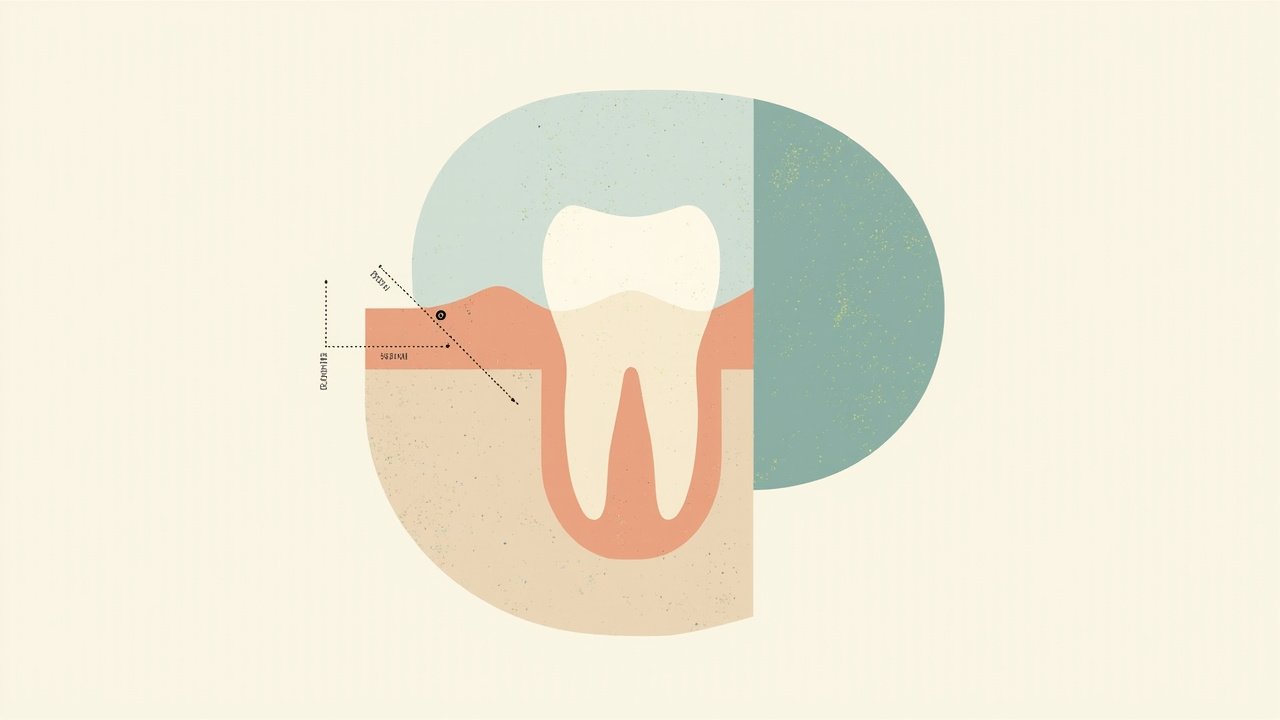
How accurate are digital surgical guides in the anterior maxilla — and what to do about the inevitable millimetres of error
A 2026 region‑specific meta‑analysis shows guided surgery in the anterior maxilla usually stays within about 1 mm apically and 2–3° angularly — useful, but not perfect; here are practical steps to translate that into safe, aesthetic implant work on Monday morning.
Suture‑free healing‑abutment closure: can you skip the sutures without costing the mucosa?
A new randomised trial shows a suture‑free wound closure using a healing abutment attachment preserves peri‑implant mucosal dimensions while simplifying the immediate post‑op workflow — useful for selected cases in a modest clinic setting.
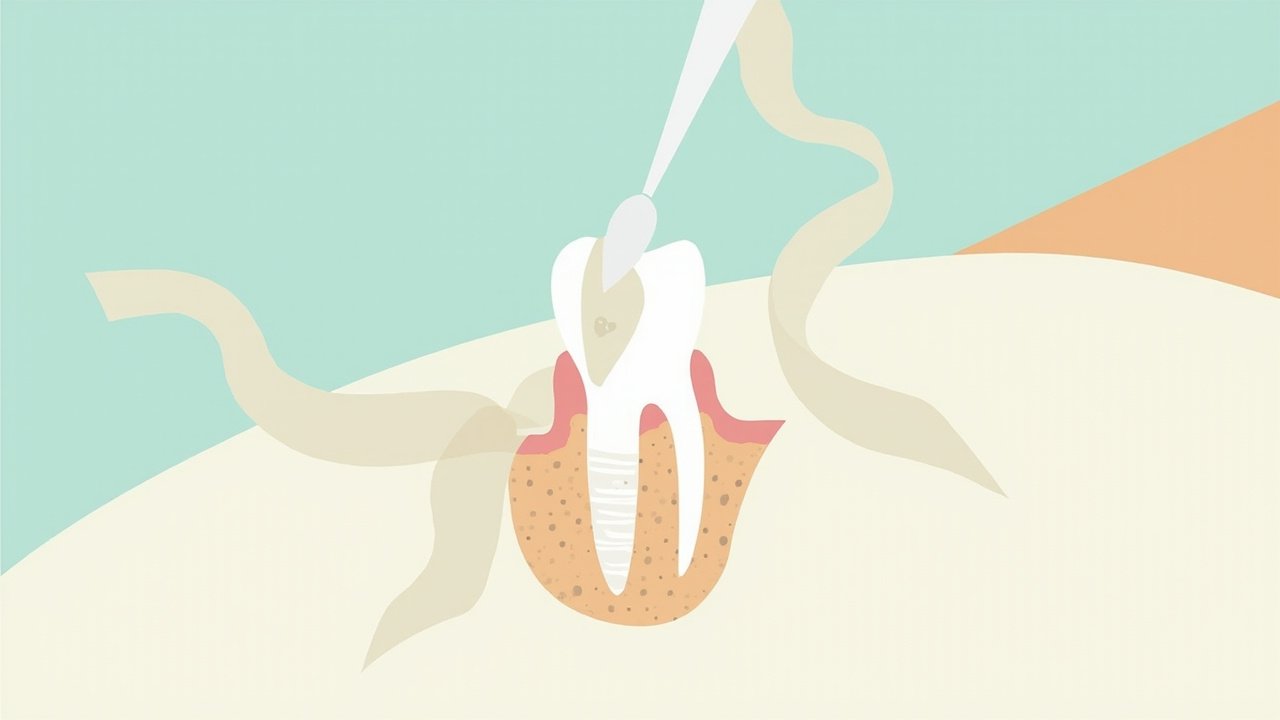
Cutting the cement risk: practical steps to reduce residual cement around implant crowns
A new systematic review finds resin-containing cements leave the most undetected remnants; here’s a simple, low-cost protocol you can use on Monday to lower cement‑related peri‑implant problems.
Photodynamic therapy for peri‑implant diseases: realistic benefits for your chair
Adjunctive photodynamic therapy can give small, short‑term improvements in bleeding and pocket depth when added to mechanical debridement — useful as a minimally invasive adjunct but not a replacement for thorough debridement, surgical management of osseous defects, or rigorous maintenance.
Which patients are safest for simultaneous ridge augmentation and implant placement? Practical takeaways from a 391‑patient predictive analysis
A University of Michigan retrospective cohort quantifies postoperative sequelae, true complications and the clinical predictors that matter when you attempt simultaneous augmentation and implant placement.

Preventing breakthrough pain after implant surgery: what to do on Monday morning
Use simple, evidence-based perioperative anti‑inflammatory strategies — preemptive or early NSAIDs, scheduled short-course dosing and selective use of single-dose steroids — to keep most patients comfortable and avoid unnecessary opioids.

Pterygoid implants for graftless maxillary full-arch work: when to use them and how to keep them trouble-free
A 2026 systematic review confirms pterygoid implants are a valid graftless posterior support for many atrophic maxillae—accept a small extra implant-failure risk, then plan prosthetics and maintenance to minimise problems.
Crestal sinus lifts when RBH is 2–6 mm: what recent data mean for your chair
Two recent clinical reports show that modified osseodensification burs can safely extend transcrestal sinus elevation down to about 2 mm RBH with high short‑term implant survival, and that choosing a super‑hydrophilic implant surface does not produce a clear radiographic advantage at 12 months.
Intraoperative gaseous ozone and early implant stability: a randomized split‑mouth trial and what it means for your chair
A single randomized split‑mouth trial found a small, statistically significant rise in ISQ at three months after a 60‑second ozone application to the osteotomy, but the clinical importance is limited — useful as a possible adjunct if you already use ozone, not a reason to buy one yet.
PEEK or titanium provisional abutments in the aesthetic zone — what the new trial means for your chair
A 30-implant controlled trial found PEEK provisionals behave like titanium for tissue conditioning; but digital photos alone are unreliable to judge keratinized mucosa or thickness — measure clinically.

When to choose a composite cortical plate or a Khoury shell — practical takeaways from two new clinical reports
A small comparative study suggests a dual‑layer composite cortical plate graft may give better early bone gain and fewer complications than a Khoury shell; a separate prospective study shows bovine collagenated blocks can spare donor‑site morbidity but need careful case selection.
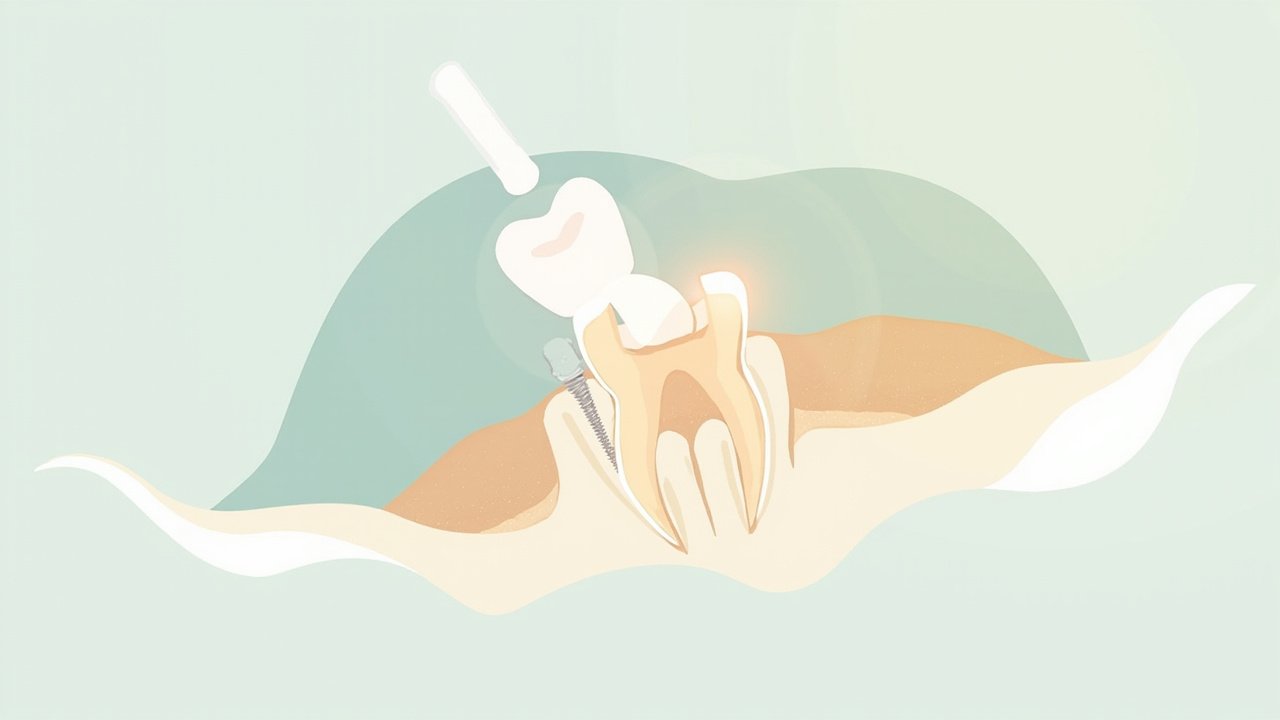
Apical bone coverage after lateral sinus lift: why >2 mm makes a practical difference
A 2026 retrospective study of 195 implants found that having more than 2 mm of apical bone coverage after lateral sinus floor elevation is strongly protective for implant survival — a simple radiographic threshold to check before you close and plan follow‑up.
When to try a flapless submucosal approach — and when to go to surgery: practical takeaways from three new Periodontology 2000 reviews
Minimally invasive, flapless submucosal instrumentation can stop disease in selected peri-implantitis cases, but predictable long-term control still depends on defect anatomy, soft‑tissue phenotype and a clear stepwise pathway to surgical reconstruction when needed.
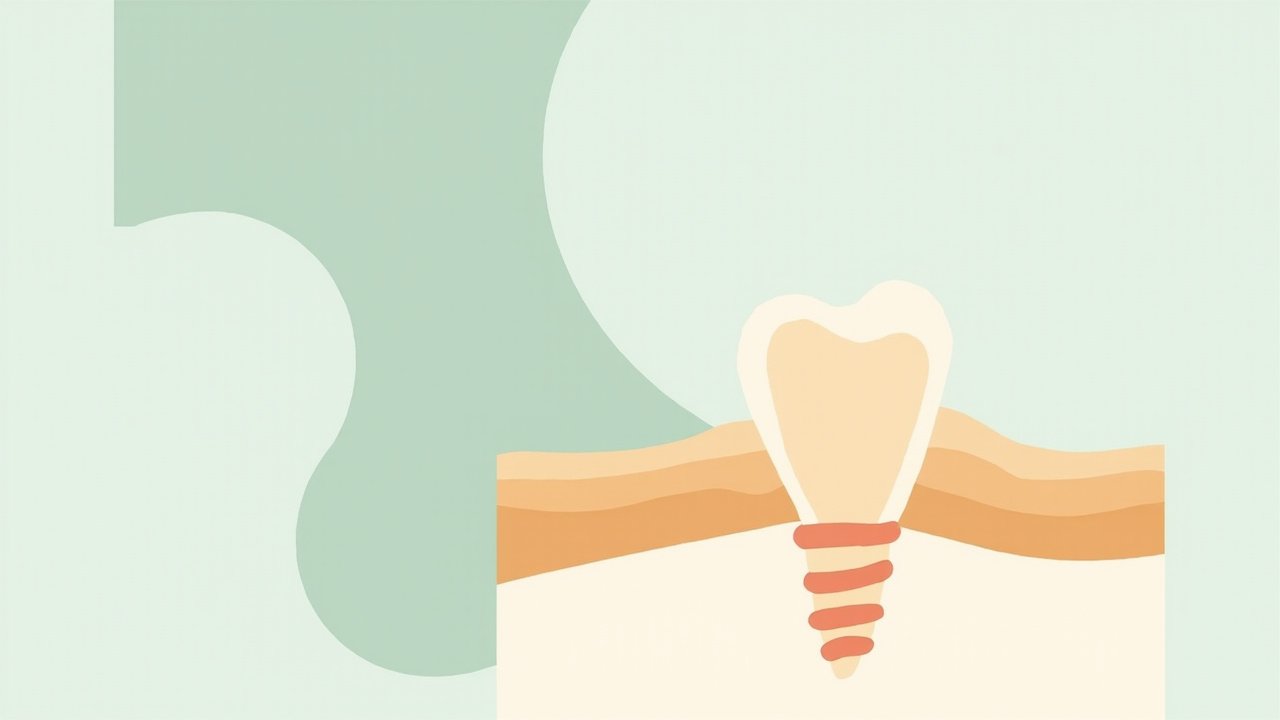
Antibiotic prophylaxis for dental implants: what the new Cochrane evidence means for your chair
A single preoperative dose of amoxicillin probably reduces early implant failure for routine implant placement, but high‑quality evidence is lacking for implant surgery with bone augmentation — act with targeted prescribing and clear patient counselling.